
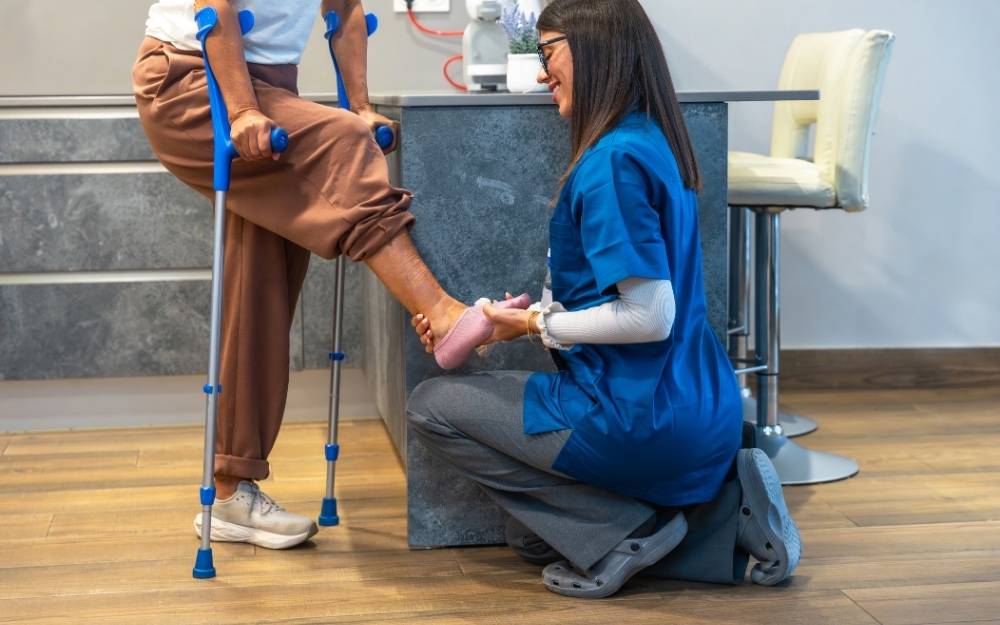
We have all been there. You wake up with a niggle in your lower back that you assume will vanish by lunchtime, or perhaps a shoulder twinge from a gym session that just refuses to settle down. Living in a busy city like Glasgow, we are constantly on the move, whether it is rushing to catch a train at Central Station, walking the dog through Kelvingrove Park, or training for the next Great Scottish Run. When your body decides it has had enough, it can feel like your entire lifestyle has been put on hold.
Finding a reliable physiotherapist Glasgow can often feel like a daunting task when you are already in discomfort. You want someone who does not just look at the symptom but actually listens to how the injury is affecting your daily life. It is not just about getting back to work; it is about being able to lift your children without wincing, or finally finishing a round of golf at your local club without needing a handful of painkillers afterwards.

Why professional physiotherapy is about more than just massage
There is a common misconception that visiting a physiotherapist Glasgow is simply about getting a deep tissue massage or having someone ‘crack’ your joints. While manual therapy is a vital tool in the kit, modern physiotherapy is a much more comprehensive science. It is an evidence-based approach to movement and function that looks at the biomechanics of your entire body.
When you seek professional help, you are tapping into a wealth of knowledge regarding anatomy, physiology, and neurology. A skilled clinician will look at your movement patterns to identify why a certain muscle is overworking or why a joint is underperforming. Often, the site of the pain is not actually the source of the problem. For instance, that nagging knee pain might actually be a result of weak gluteal muscles or poor ankle mobility.
Common reasons people seek help
- Chronic lower back pain from long hours spent at a desk or driving.
- Sports injuries including ACL tears, runner’s knee, and rotator cuff issues.
- Post-operative rehabilitation to regain strength after surgery.
- Repetitive strain injuries caused by workplace ergonomics.
- Age-related stiffness and mobility issues that affect independence.
What to expect during your first consultation
If you have never visited a clinic before, the first appointment can feel a bit uncertain. However, the process is designed to be supportive and informative. Your initial session is essentially a fact-finding mission. The clinician will spend time talking to you about your medical history, your lifestyle, and your specific goals. Are you trying to get back to professional sport, or do you simply want to be able to walk to the shops without pain?
Following the discussion, there will be a physical assessment. This usually involves a series of movement tests where the therapist observes your range of motion, strength, and flexibility. They might ask you to perform simple tasks like squatting, reaching overhead, or walking a few paces. This helps them build a ‘map’ of your current physical state.
Key elements of a typical treatment plan
- Manual therapy to reduce muscle tension and improve joint mobility.
- Tailored exercise programmes designed to strengthen weak areas.
- Education on posture and movement to prevent the injury from returning.
- Acupuncture or dry needling for targeted pain relief in some cases.
- Taping and strapping to provide support during the early stages of healing.
The importance of a local Glasgow perspective
Choosing a local clinic has benefits that go beyond just a short commute. A physiotherapist glasgow understands the specific lifestyle factors that affect people in this part of the world. They know the local sporting landscape, the types of jobs common in the city, and even how our famously unpredictable weather can impact conditions like arthritis or old bone breaks.
Furthermore, having a clinic nearby makes it much easier to stay consistent with your treatment. Physiotherapy is rarely a ‘one-fix’ solution; it is a journey that requires regular check-ins and adjustments to your programme. When your therapist is just a short bus or subway ride away, you are far more likely to stick to your appointments and achieve the results you are looking for.

Taking the lead in your own recovery
One of the most empowering aspects of working with a physiotherapist Glasgow is the shift from being a passive patient to an active participant in your recovery. A great therapist does not just ‘fix’ you; they give you the tools to fix yourself. This often involves a ‘home exercise programme’—a set of specific movements or stretches to do between sessions.
It can be tempting to skip these exercises once the initial sharp pain begins to fade, but this is the most critical stage of the process. This is where you build the resilience needed to ensure the injury does not come back the moment you return to your normal routine. By committing to these small daily habits, you are effectively retraining your nervous system and strengthening your tissues for the long term.
How to get the most out of your sessions
- Be honest about your activity levels and how much time you can realistically commit to exercises.
- Wear comfortable, loose-fitting clothing that allows the therapist to see the area being treated.
- Ask questions if you do not understand why a certain exercise has been prescribed.
- Keep a brief diary of when your pain feels better or worse to help the therapist fine-tune your plan.
- Stay patient; healing biological tissues takes time, even with the best professional help.
The long-term benefits of movement health
Investing time in physiotherapy is not just about reacting to an injury; it is an investment in your future self. As we age, maintaining our mobility and muscle mass becomes increasingly important for our overall quality of life. By addressing small issues now with a qualified professional, you are preventing them from snowballing into more significant, limiting conditions later in life.
Many people find that after a course of treatment, they actually feel better than they did before the injury occurred. This is because the process of rehabilitation often uncovers and corrects long-standing imbalances that the person had simply ‘learned to live with’ for years. You might find you have more energy, better posture, and a greater sense of confidence in what your body can achieve. Whether you are navigating the hills of the West Highland Way or just navigating the stairs at home, moving without fear of pain is a freedom that is well worth the effort.

Charlotte Reid is a seasoned travel writer with a passion for exploring unique accommodations and uncovering hidden gems in the hospitality industry. With years of experience in lifestyle journalism, she focuses on creating engaging content that helps readers find the perfect getaway spots. Her work emphasizes comfort, charm, and the personal touches that make every stay memorable.